

Harnessing Circadian Rhythms for Health: Improve Sleep and Wellness
Circadian rhythms govern every process in your body, and staying in tune with these rhythms can significantly improve sleep and overall health, helping to mitigate sleep disorders.
For more information on how to improve sleep and better understand circadian rhythms related to sleep disorders, please send an email to us.
CircaMedicine
Your Circadian Health, Explored
What are Circadian Rhythms?
Circadian rhythms are internal cycles of physiology that reflect internal biological manifestations of the solar day that are approximately, but not precisely, 24 hours. For example, blood pressure, body temperature, and sleep are common rhythmic functions. Such rhythms are referred to as circadian rhythms and these rhythms are driven by circadian clocks.
The term circadian is from the Latin, circa, which means "approximately" or "about" and diem, which means "day." Typically, some physiological processes are more pronounced or optimized at one time of day compared to another.

Are you a "Night Owl" or a "Morning Lark"?
Take a quick quiz to determine your morningness versus eveningness status and gain insights into your circadian rhythms, which can help you improve sleep and address potential sleep disorders.
Take Quiz
How's your sleep?
Take a quiz to evaluate your sleep, which can help assess your circadian rhythms. This information will be valuable for you and your doctor in identifying any potential sleep disorders and finding ways to improve sleep.
Evaluate SleepMorningness–Eveningness Questionnaire (MEQ)
What does your MEQ Score Mean?
Range: 16–86 — lower scores indicate evening type, higher scores indicate morning type.
Definite Morning Type
You have a strong morning preference. You function best early in the day. Try to maintain early bed and wake times, schedule demanding tasks in the morning, and avoid bright light exposure after sunset.
Moderate Morning Type
You lean toward mornings. You likely feel best when you go to bed and wake relatively early. Maintain exposure to natural morning light and avoid late-night light and meals.
Intermediate Type
You have a fairly flexible internal rhythm and can adapt to early or late schedules. Keep a consistent bedtime and wake time and prioritize bright light exposure during the day to reinforce your circadian rhythm.
Moderate Evening Type
You tend to be more alert and productive later in the day. Try to get morning light exposure as soon as possible after waking, and dim lights and screens in the evening to support earlier sleep onset.
Definite Evening Type
You have a strong evening preference. You likely fall asleep and wake later than average. Aim for bright light exposure early in the day, reduce evening light (especially from screens), and consider avoiding caffeine after 10 a.m.
Pittsburgh Sleep Quality Index (PSQI)
What do your Sleep Scores Mean?
Range: 0–21 — higher scores indicate worse sleep quality.
Good Sleep Quality
- Your sleep quality appears to be good. Continue maintaining regular sleep and wake times, avoiding caffeine or alcohol close to bedtime, and keeping your bedroom dark and cool.
Mild Sleep Difficulties
- Your sleep questionnaire suggests some difficulty with sleep quality or consistency. You may benefit from improving sleep hygiene:
- •Go to bed and wake up at consistent times (including weekends)
- •Limit screen exposure 1 hour before bedtime
- •Get at least 30 minutes of bright light in the morning
- •Avoid caffeine after noon and alcohol near bedtime
Moderate Sleep Disturbance
- Your responses suggest moderate sleep disruption. Consider strategies to strengthen your circadian rhythm:
- •Maintain a strict sleep–wake schedule
- •Prioritize morning light exposure
- •Avoid naps longer than 20–30 minutes
- •Evaluate evening stress, caffeine, and screen exposure
Severe Sleep Disturbance
- Your sleep score indicates significant disruption, which can affect mood, cognition, and physical health.
- •Follow structured sleep hygiene steps (consistent schedule, no screens before bed, morning light exposure)
- •Avoid alcohol and caffeine late in the day
- •Discuss with your provider whether further evaluation (e.g., insomnia, sleep apnea, or circadian rhythm disorders) would be helpful
When's the optimal time to take your prescriptions?
Our goal is to improve and maintain your overall health by helping you understand how circadian rhythms can affect the optimal time to take your medications. This knowledge can enhance health benefits and reduce side effects, ultimately contributing to better sleep and addressing sleep disorders. Always consult your physician before making any changes to your medication intake.
Featured Book
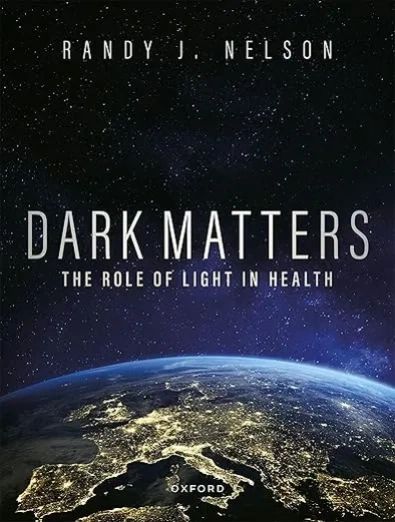
A recently published book by Oxford University Press offers expert advice on improving your circadian rhythms and sleep, as well as optimizing your health.
Purchase from the Publisher or Amazon to discover resources that can help you understand circadian rhythms, improve sleep, and address sleep disorders.
Stay Informed
Circadian Rhythm News
NFL Teams That Travel West for Night Games Have a Circadian Advantage
Research shows that NFL teams traveling westward for night games perform significantly better — a striking real-world example of how circadian rhythms affect human performance.
Nobel Prize in Physiology or Medicine 2017: Molecular Mechanisms of Circadian Rhythms
Jeffrey Hall, Michael Rosbash, and Michael Young were awarded the Nobel Prize for discovering the molecular clock mechanism that controls circadian rhythms in all living organisms.
Blue Light Has a Dark Side
Harvard researchers explain how blue light from screens and LED lighting suppresses melatonin production, disrupts the circadian clock, and raises the risk of metabolic and cardiovascular disease.
Circadian Clock Linked to Mood Disorders
NIH-funded research reveals that disruptions to the body's internal clock are closely tied to depression, bipolar disorder, and seasonal affective disorder, opening new avenues for chronotherapy.
Circadian Rhythm: How Your Body Clock Works
A medically reviewed deep-dive into how the 24-hour internal clock governs sleep, hormones, metabolism, and cognition — and what happens when it falls out of sync with your environment.
Protein Discovery Sheds Light on Circadian Rhythms
Researchers identify a crucial protein, Tenm3, in mice's visual system that stabilizes circadian rhythms by modulating the brain's response to light. This discovery has significant implications for treating sleep disorders and jet lag.
Study Deepens Understanding of the Regulation of Circadian Rhythms in the Mammalian Central Clock
Neural networks play a key role in regulating circadian rhythms through the mediation of cAMP. The findings may help with developing new strategies to manage circadian rhythm problems such as sleep disorders.
Timing Calorie Intake Synchronizes Circadian Rhythms Across Multiple Systems
Time-restricted eating influences gene expression over more than 22 regions in the brain and body. The findings have implications for a range of health disorders in which time-restricted eating appears to have potential benefits.
Tracking How the Environment Influences Circadian Rhythms
A new study traces the mechanisms that link environmental signals and our circadian clocks, revealing how external cues shape our internal biological timing.
"Junk DNA" Plays a Key Role in Regulating Circadian Rhythms
Researchers reveal the role hundreds of miRNAs appear to play in modulating circadian rhythm, overturning assumptions about non-coding DNA and its influence on the body clock.
Circadian Rhythms Help Guide Waste From Brain
During wakeful periods, the glymphatic system diverts cerebrospinal fluid to lymph nodes in the neck. The CSF may act as a "fluid clock" that helps initiate the body's infection-fighting capabilities during the day.
Disrupted Circadian Rhythms Linked to Later Parkinson's Diagnoses
Circadian rhythm disruptions in older men have been linked to an increased risk of developing Parkinson's disease, suggesting disruptions may reflect neurodegenerative processes already affecting the brain's internal clock.
Bmal1 Gene Is Not an Essential Regulator of Circadian Rhythms
Deleting the circadian rhythm-associated BMAL1 gene in animal models, researchers discovered tissue continued to follow a 24-hour rhythm, even in the absence of external stimuli that can influence the cycle.
New Role for Astrocytes in Controlling Circadian Rhythms
Astrocytes may lead the tempo of the body's internal clock and control patterns of daily behavior, a new study reports, expanding our understanding of which brain cells drive circadian timing.
Disrupted Circadian Rhythms May Drive Anxiety and Exacerbate Brain Disorders
Researchers report sleep disruptions may not only be a symptom of neurological diseases — circadian rhythm disruptions may drive the brain pathology that contributes to anxiety, dementias, and other disorders.
Nighttime Light Exposure Linked to Sleep Loss in Schizophrenia
Study finds nighttime bedroom light is linked to 55 minutes less sleep and poor sleep efficiency in schizophrenia outpatients, highlighting the role of light exposure in psychiatric sleep disturbance.
AI Analyzes Sleep Data to Predict Cognitive Decline and Health
A new study shows an AI model extracting hidden sleep study signals to predict heart disease, cognitive decline, and double mortality risk — opening new frontiers for sleep-based health screening.
Brain Turns Hearing Inward During REM Sleep
During REM sleep, the brain suppresses external sounds while intensifying processing of heartbeats, suggesting the sleeping brain actively redirects auditory attention inward.
3-Region Neural Circuit Required for Sleep Memory
Memory consolidation during sleep requires coordinated signaling among the orbitofrontal cortex, thalamus, and hippocampus. Epileptic spikes break this circuit, disrupting overnight memory processing.
Long Sleep Hours Link to Elevated Alzheimer's Blood Protein
A new study establishes a robust non-linear association between long sleep duration and elevated plasma p-tau181, a key biomarker for Alzheimer's disease risk.
Poor Sleep Alters Brain Network Communication Differently as We Age
Poor sleep alters brain network connectivity differently across the adult lifespan, with distinct patterns emerging in younger versus older adults, according to a new study.
Myelin Damage Triggers Abnormal Brain Rhythms During Sleep
Demyelination triggers abnormal epileptiform spikes coupled with NREM sleep spindles and severely slows REM oscillations, establishing overnight sleep recordings as a non-invasive biomarker for MS and Alzheimer's progression.
Random Sounds During Sleep Impair Memory Consolidation
A new study proves that random auditory stimulation during sleep impairs memory consolidation, underscoring the importance of a quiet sleep environment for learning and retention.
Mild Sleep Restriction Drives Weight Gain and Inactivity
Shortening nightly sleep by approximately 80 minutes for six weeks causes an average weight gain of one pound and increases daily sedentary time by 17 minutes — nearly 30 minutes for men and postmenopausal women.
Sleep Apnea's Main Symptom Is Also Its Cause
Snoring vibrations are an active cause of obstructive sleep apnea, directly disrupting mitochondrial function and cellular energy metabolism in upper airway muscles to induce tissue weakness and airway collapse.
Sleep Deprivation Increases Synaptic Density Markers in the Brain
28 hours of sleep deprivation significantly increases SV2A, a marker for synaptic density, in the human hippocampus and thalamus — supporting the theory that sleep is structurally required to reset neural connections.
Sleep Habits Determine If Your Genes Accelerate Alzheimer's
Specific variants of the AQP4 gene interact synergistically with poor sleep habits to accelerate grey matter loss and alter cognitive function, linking sleep quality directly to genetic Alzheimer's risk.
Contact Us
The information you deserve.